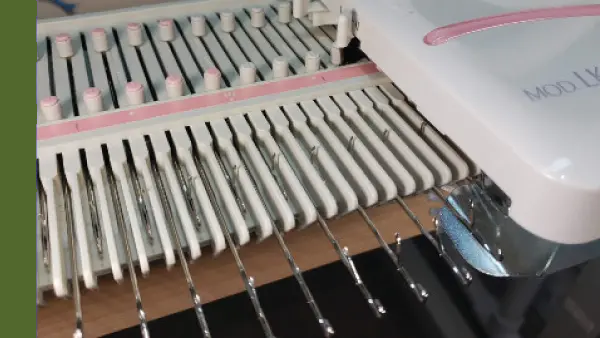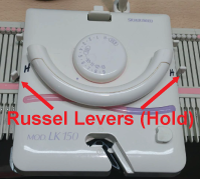
When your needles are all the way out to "D" position
AND
the Russel Levers are engaged |,
the needles don't knit and nothing happens.
Here are 5 reasons for using this setting
 Free Pass
For some reason you need to position your carriage on the opposite side of the bed.
Let's say you ripped out a row or two. Your working yarn is on the left side of
the bed and the carriage is on the right. Use hold to get the carriage back into position.
- Pull all needles to "D" hold
- Set the carriage to hold (both Russel Levers engaged |)
- FREE PASS to the opposite side of the bed
- Reset your row counter
 Partial Knitting
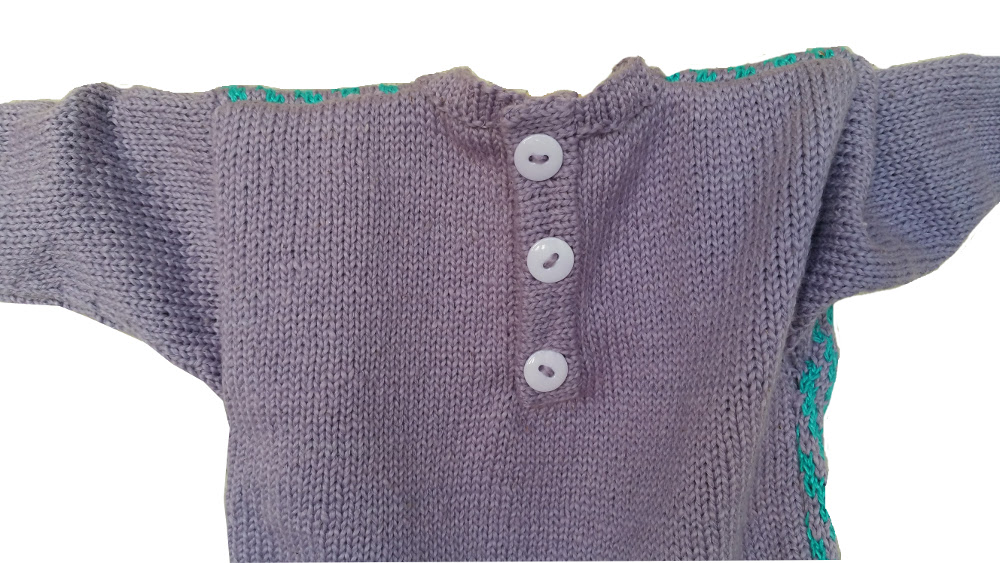
You may be knitting a child's sweater and want to put a slit at the back neck
opening to make it easier to pull over the head.
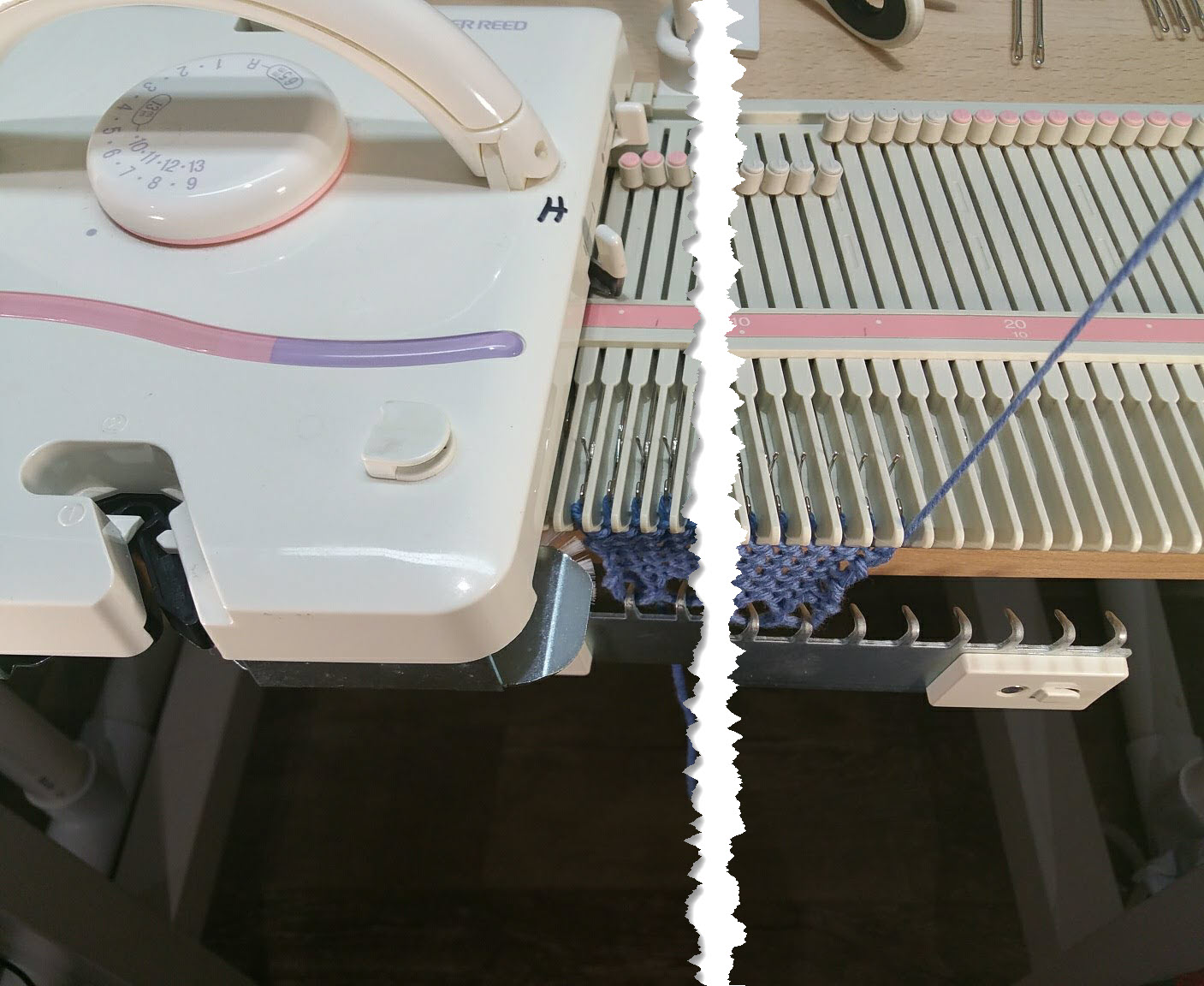
Your pattern may tell you to "hold 25 needles left of 0" and continue knitting
for 15 rows. You would use hold to knit one side of the back without taking
the other side off the needlebed.
- Pull 25 needles left of 0 to "D" hold
- Set the carriage to hold (Both Russel levers engaged |)
- Follow the pattern for one side of the knitting
- Bind off as instructed and take those needles out of work
- Break the working yarn
- Cancel Hold (Both Russel Levers NOT engaged) ||
- Re-thread the carriage
- Follow the pattern instructions for the remaining side
- Bind off as instructed
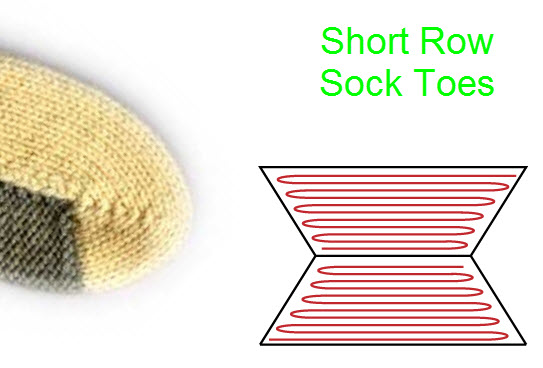
 Short Row Shaping
Short row shaping (also called partial knitting) is used to create curves in
your knitting. From bust darts to sock toes and heels, shaping mittens to
shaping necklines, short rows are a staple in a machine knitter's bag of tricks.
Although outside the scope of this course, Knit it Now has extensive information
about using short row shaping.
 Stitch Patterning
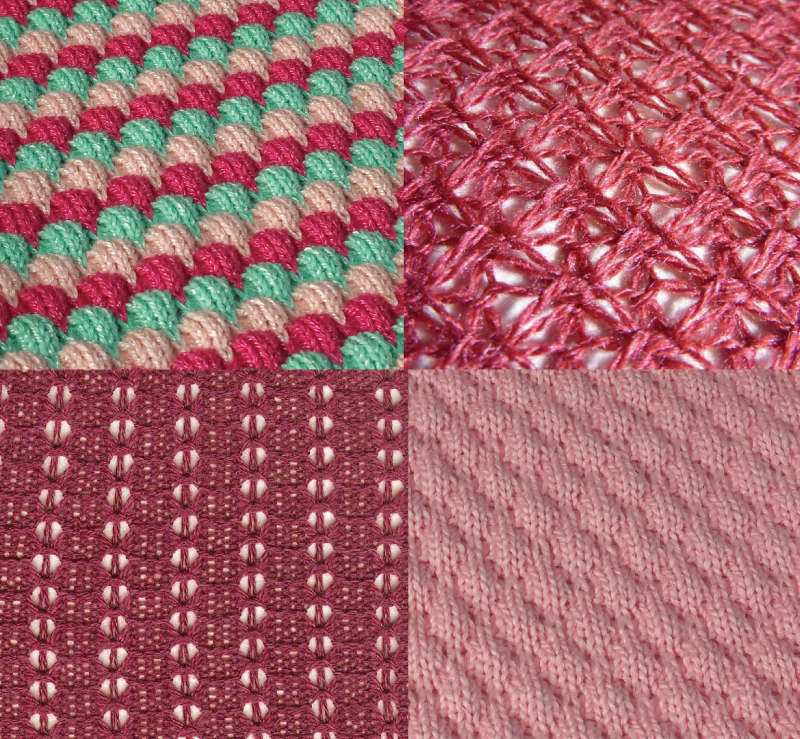
This is where the fun stuff happens! The possibilities for putting needles
in hold to create stitch patterns are practically endless!
Please take time to explore tuck stitch and all its variations.
 Super-Fast, Closed Cast On
Not only is this cast on fast AND easy to remember, it provides
instant gathers.