
Your First Steps to Machine Knitting
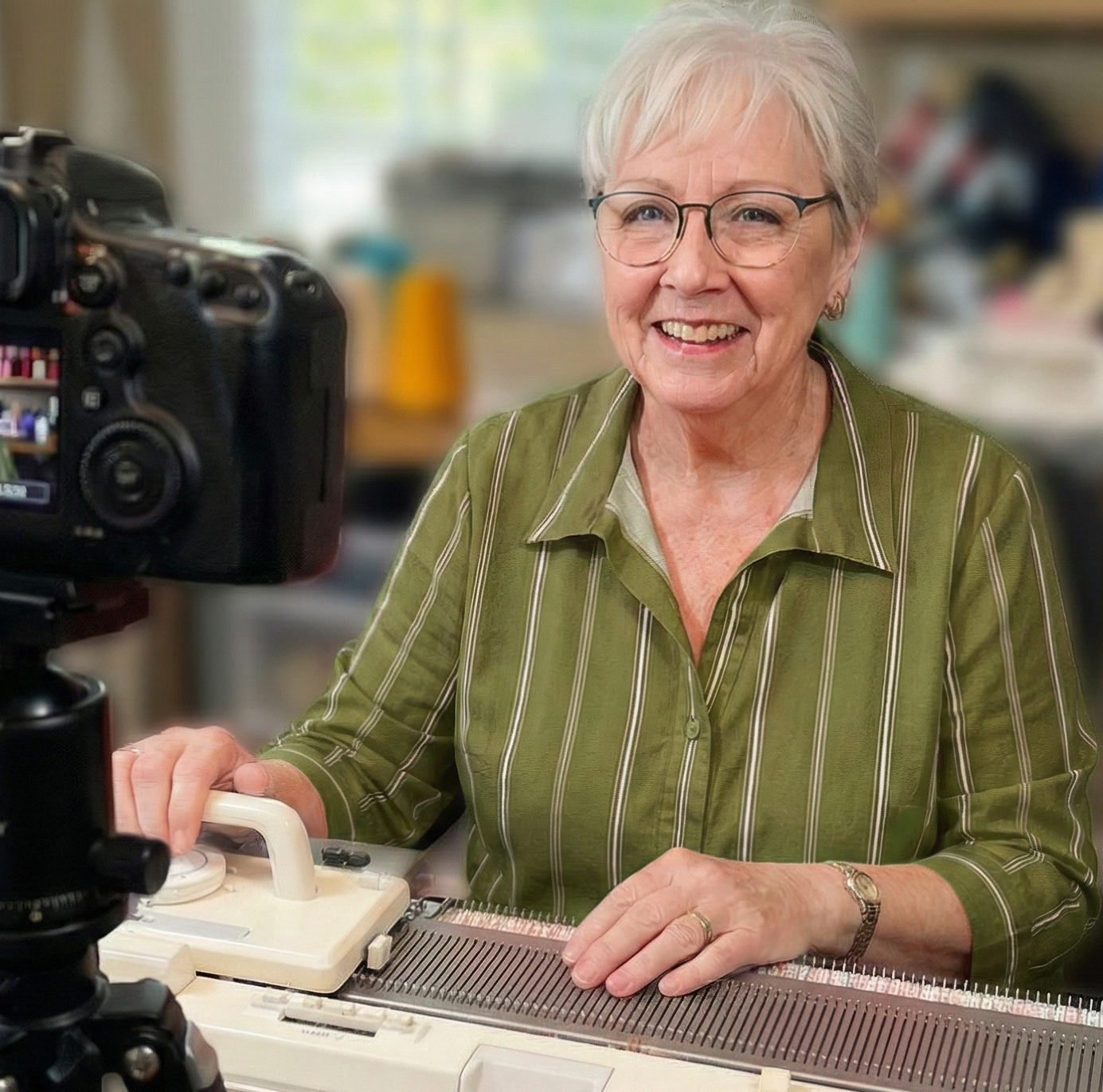
New to machine knitting, or getting back to it after a break? Follow these six steps to prepare your machine, choose your yarn, and knit your first practice swatch.
No need to know everything before you begin. We’ll help you take it one step at a time.
Open the guide
Enter your first name and email to open the Getting Started Guide. You’ll also receive helpful follow-up emails from Knit It Now. You can unsubscribe at any time.
1. Identify your machine
Have more than one machine? Choose the one you’d like to use as you work through this guide.
Type to search. Use the arrow keys to browse the list, then press Enter to choose. You can leave this blank.
No matches
No matches
You can continue without identifying a machine.
2. Do you have your machine’s manual?
Your manual is an important companion as you get comfortable with your machine. Keep it handy to check threading, settings, and basic instructions.
If you need a copy, visit MKManuals.com. Look for your exact model first. If it isn’t available, a manual for a similar model in the same machine family may help. Check that the carriage, controls, and features match your machine before following the instructions.
Can’t find a suitable manual? Explore ways to work with Sue for help finding a useful starting point.
Check this before you knit
3. Check your sponge bar
The sponge holds the needles so your stitches can form. Most metal-bed machines use a sponge bar along the needle bed. The LK150 uses a different arrangement, and a worn sponge is harder to see on that machine. The sponge can flatten or crumble over time, even if the machine has been stored.
Check that the sponge is even and springy, not flat, compressed, or crumbling. On a metal-bed machine, also check that the needles lie firmly in their slots. Replace a worn sponge before you knit. It can cause knitting problems and may damage needles.
Need a replacement? Check our Repairs and Service directory for businesses that may supply sponge bars or replacement sponge. Confirm that the replacement is suitable for your machine model before ordering.
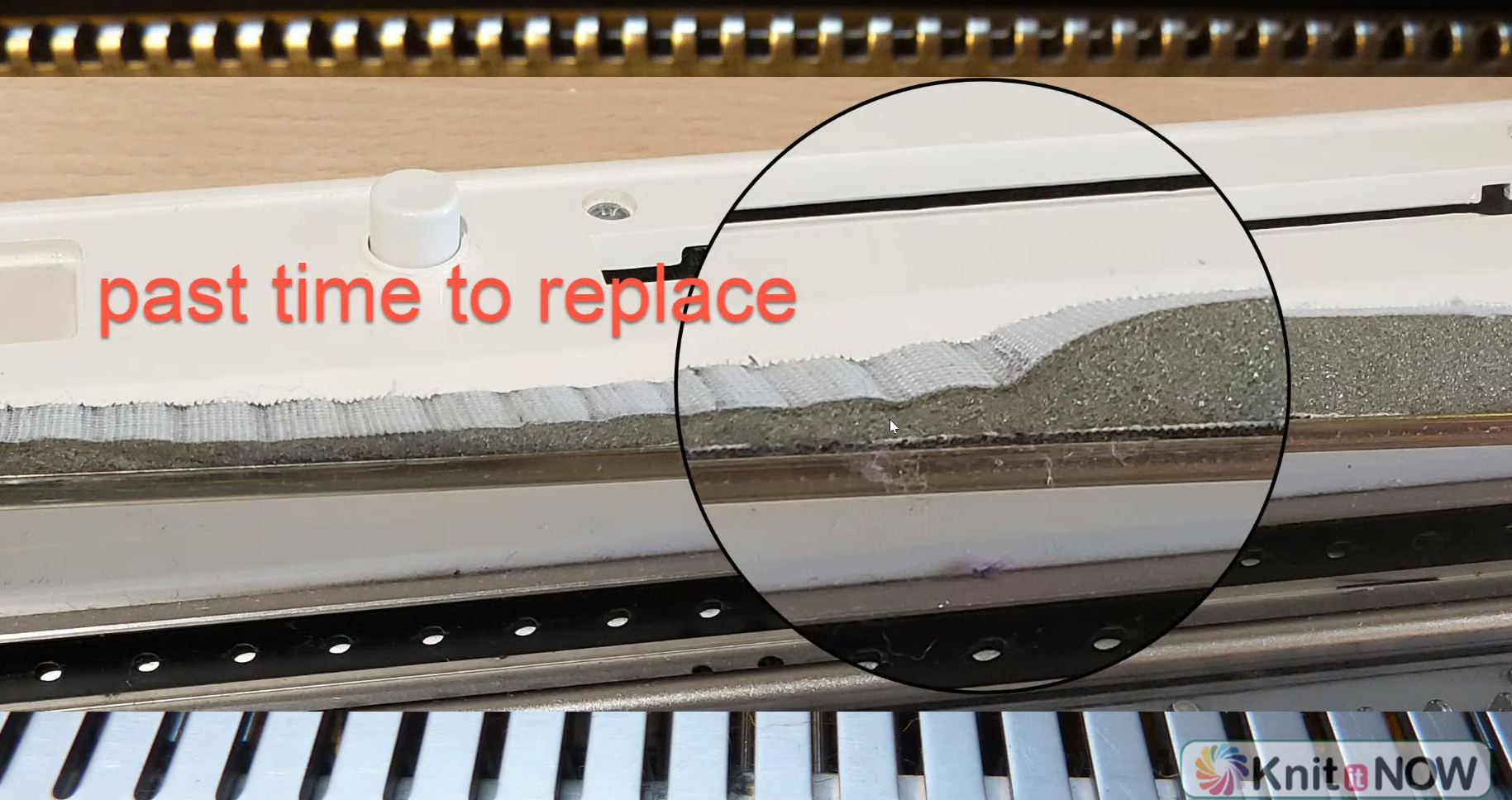
Watch the video for your machine.
4. Choose a suitable yarn
Choose a yarn weight appropriate for your machine. For your first practice, use a smooth yarn in a light color so you can easily see the stitches. Check your manual for yarn recommendations.
You don’t need yarn on cones. Your yarn simply needs to feed smoothly into the machine without tangles or resistance. A center-pull ball may work, or you can rewind the yarn with a ball winder.
Yarn for Knitting Machines
Not sure about your yarn? Use the Yarn Comparison Calculator to check your yarn label against suggested yarn weights for different machines.
5. Knit Your First Practice Swatch
Find the instructions for plain knitting or stockinette in your machine manual. Check the carriage settings and needle positions before you begin. Keep that page handy as you follow the video.
For your first practice, focus on getting comfortable with your machine. Cast on, knit a small piece of plain knitting, and bind off. You can skip the gauge markers and tension eyelets for now.
Once knitting feels familiar again, follow the complete video to make a proper gauge swatch for your next project.
How to Knit a Proper Swatch: The Secret to Machine Knitting Success
Knitted your practice swatch? That’s progress!
It doesn’t need to be perfect. Every row you practice here helps build the confidence and control you’ll use in your next project.